These are my comprehensive responses to all 70 questions from the Alberta Chamber of Commerce's 2025 Municipal Election Forum. This forum provides an opportunity for candidates to share their positions on key issues affecting Medicine Hat's future.

📝 Note: Questions 1-4 in the original forum were administrative fields for candidate contact information. The substantive policy and platform questions begin at Question 5.
Showing all 70 questions

All Questions

1. Campaign Contact Information (Questions 1-4) 5. Who are you and why should I vote for you? 6. What Governance, Board, Council, Community or Committee experience do you have in your past that would make you a good Councillor? 7. What is your professional/work background & how do you think that will help with being a councilor? 8. What is your leadership style? 9. If you could only do one thing for this city in your term, what do you want that thing to be? 10. In the event you're elected to council, and we were to review your performance 12 months down the road, what metric should we judge you on? 11. In terms of preparing for complex budgets, bylaw restructuring, as well as general communicative skills among the public and amongst council, how would you rate your readiness level for governance, and why? 12. Given the diverse field of candidates and polarity of opinions around the horseshoe it will be critical that council comes together as one. With the backdrop of the last 4 years and the inaction it has brought to the city collaboration and swift change will be a high expectation of the citizens. What does collaboration mean to you? Can you describe how you plan to collaborate with your new colleagues? 13. How many city council meetings have you attended/viewed in the last year & what have you done to learn how municipal government works? 14. Some councilors have sat on council for multiple terms - some might feel this hinders the City moving forward (same old, same old...) What is your view, thoughts, or opinion on instituting 'term limits' for the number of times an individual can sit on council? What maximum number of terms do you consider acceptable? 15. What is your vision for Medicine Hat in the next 5-10 years? 16. What would you do to restore trust within the community? 17. What do you believe is the role of City Council versus the role of the City Manager? 18. What are your thoughts on a Ward or Council responsible for an area of the city? 19. Are you able to give 100% of your time to Council or do you have another business that will split your time commitment? 20. If you could change one thing/decision this last council did, what would that be, and why? 21. What was the biggest challenge with Council in the last term and what can be done to resolve that moving forward? 22. Can you share an example from your time on council, on a committee or in your personal life where you had to weigh conflicting information or opinions? How did you decide which input was most reliable? 23. Do you believe there is a different standard or different set of rules for you/Council vs. average citizens? 24. Everyone makes mistakes. I'd like to know, if you make a mistake do you accept accountability and own up to it? Or do you say nothing and perhaps blame it on someone else? 25. Given the diverse field of candidates and polarity of opinions around the horseshoe it will be critical that council comes together as one. With the backdrop of the last 4 years and the inaction it has brought to the city collaboration and swift change will be a high expectation of the citizens. What does collaboration mean to you? Can you describe how you plan to collaborate with your new colleagues? 26. How will you hold yourself accountable for building, nurturing, and maintaining professional relationships in your role? 27. What do you feel the role of for mayor and municipal councils to advocate when the provincial government makes decisions which damage the community? 28. What are your plans for regional collaboration and building relationships with Cypress County, Redcliff and Brooks? 29. Is promising a property tax freeze or a promise to not increase taxes realistic? How would you propose to implement any taxation plans. 30. Most candidates tend to say "I won't raise taxes". How do you plan to support essential programs as services with less money? 31. Are you for or against lower business expenses, fees and taxes at the cost of residential taxes going up? 32. What is your plan to grow the tax base? 33. What services are you proposing to cut to be able to promise no tax increases (or even lower taxes). What roads won't be maintained? What recreation facilities will be closed? what parks won't be maintained? What infrastructure repairs will be deferred? 34. How would you handle all the asks put forward to the city while juggling amendments to the budget? 35. If Council freezes taxes, will they also pass a freeze on rental increases? 36. What steps will you take to protect local decision-making, strengthen our economy, and ensure that common-sense governance prevails over ideology? 37. What do you believe is the role of consultants hired by the City and the value you believe they bring if they are from outside of our city? 38. What are your thoughts on the narrowing of Division Ave? What do you see as the concerns or hazards related to that roadway now? 39. Would you consider re-building Division Ave to correct the mistakes that were made? 40. Where do you stand on creating the MCC and why? 41. What are your views on the solar project? 42. Will you be able to help keep our utility bills as the lowest in the Province since we currently own our own utilities? How do you plan to achieve this? 43. What are your thoughts on selling Medicine Hat Utilities? 44. What is your plan to address the issues related to crime, mental health and addictions in Medicine Hat? 45. Is there more we can do (or should do) to reduce criminal activity in our city? 46. Where do you believe the emergency shelter should be located? 47. What is your position or perspective on flags on public buildings or government buildings? 48. What is your view on the proposed bylaw amendment (Land Use) to enable backyard chickens? 49. What do you believe is the Medicine Hat Advantage? How will you promote this advantage and increase our quality of life in Medicine Hat? 50. Would you strive to reduce the number of employees at City Hall? 51. Is there a way we can break down jobs on the local bids and tenders site so more for small businesses can obtain opportunities? Example: Mow a park, but the bid also includes cement pouring as well. 52. Is there anything Council can do to prevent large corporations from monopolizing housing in Medicine Hat? 53. What would you do to advertise and promote Medicine Hat to the rest of the country? 54. Every candidate has brought up "creating jobs and growing local economy". What is your position on remote work/jobs at City Hall? 55. How will you ensure Medicine Hat remains a welcoming place to all and uphold policies that protect marginalized communities? 56. What is your plan to grow Medicine Hat's population? 57. What is your approach to the complex infrastructure problems our city faces? 58. What would you do to move forward Medicine Hat as a labour friendly community? 59. What is your opinion of un-unionized workplaces and do you support them? 60. Surveys have indicated that a significant reason for people to choose to move to Medicine Hat are the parks and recreation facilities along with natural areas. How would you as Mayor of Medicine Hat prioritize supporting parks and natural areas within Medicine Hat as a component of quality of life for Medicine Hat citizens? 61. Climate change will increase extreme weather events and low stream flow in the South Saskatchewan River. The City of Medicine Hat will be challenged to provide water and other support services due to climate change in the future. How can the City Council and leadership best develop resiliency in face of these challenges? 62. What is your plan to keep young people in this city? 63. Tourism is an important economic driver for Medicine Hat. When elected my hope is that the Council and Mayor will plan to safeguard the natural areas and beauty of the city so visitors will continue to make it a holiday destination, or even their new home. After all, all Canadian cities have swimming pools, rinks and arenas but no other Canadian city has the beauty and health-giving benefits of Medicine Hat's river, coulees and parks. The citizens of Medicine Hat need clean water, air and soil as well as wild spaces and wildlife. These things are of real cultural and economic value to us all. When considering the approval of expanding or new business and manufacturing developments how high a priority should the Council and Mayor give to environmental stewardship? 64. There is a large impact that constantly changing policies have on the business sector and citizens of Medicine Hat involved in the hospitality and care industries. What are your views/stance on Temporary Foreign Workers, Student visas and RNIP for the city if the federal government reintroduces the policy? 65. As an avid cyclist, I commuted the last 7 years of working on streets, and found it was fine. Medicine Hat has a great system of recreational pathways but they need to be maintained better and expanded. Therefore there is no need restriction city vehicle traffic for bike lanes. Do you favour using city funds to maintain and expand recreational bike paths or do you favour spending city funds on commuter bike lanes on streets? 66. Will you support the construction of a new recreation center in South Ridge during your term? Why or why not? 67. When it comes to mental health and addiction, much of the conversation focuses on treatment. But recovery is not a short term problem, it's a long term journey and the data shows that post-care should not be treated as 'extra' but as a core part of recovery. Post-care, peer support, and recovery coaching organizations often struggle with short-term, unstable funding. What would you do to ensure these programs are properly funded and sustained long-term, rather than relying on temporary project grants? 68. Do you support Medicine Hat paying Redcliff to handle our composting program? 69. Activities for generations are very separated in Medicine Hat. How would you promote intergenerational living and learning? 70. We have heard for a long time that there will be a second entrance to Saamis Heights. It has not happened, the traffic is getting worse and it is becoming very difficult to enter and leave the area, what will you do to see that this actually happens and when?

Questions & Answers

Question 1

Campaign Contact Information (Questions 1-4)

The first four questions in the Chamber's forum collected candidate contact details:

• Question 1: Campaign Phone Number - Not published for privacy

• Question 2: Campaign Email - michaelreidmh@gmail.com

• Question 3: Campaign Website - https://michaelreidmh.ca/

• Question 4: Campaign Social Media - https://www.facebook.com/profile.php?id=61579242548321

For all campaign inquiries, please feel free to reach out through any of these channels. I'm always happy to discuss my platform and hear your concerns about Medicine Hat's future.

Question 5

Who are you and why should I vote for you?

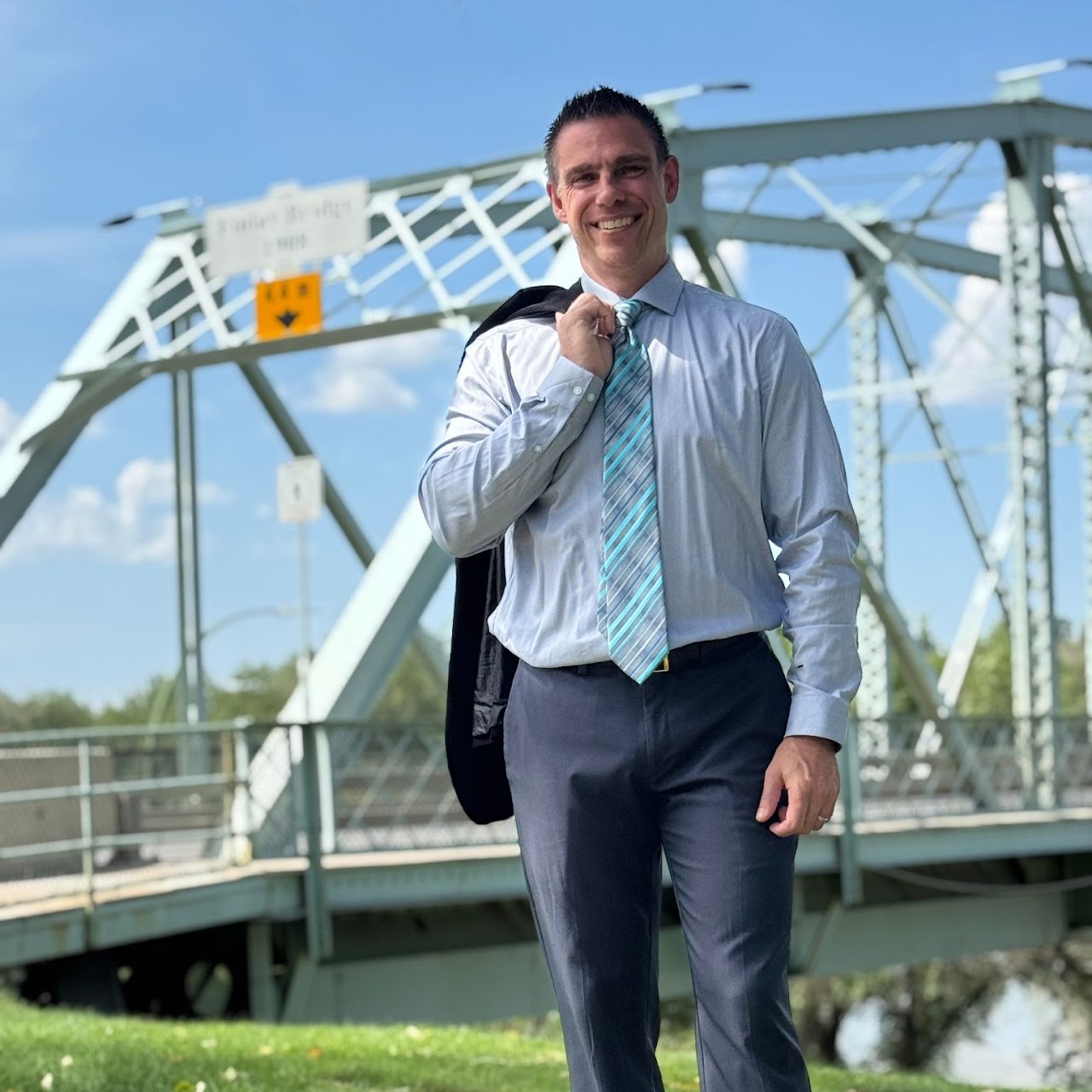
My name is Michael Reid. I'm a father of four, a husband, and the co-owner of YogaRevolution in downtown Medicine Hat with my wife, who was born and raised here.

As a business owner and a people person, I'm fully invested in this community and passionate about seeing Medicine Hat grow and thrive. Having lived in Red Deer and other parts of the country, I also bring new perspectives and ideas that can help our city move forward while staying true to what makes Medicine Hat unique.

If elected, I will be a strong advocate for the people and organizations of our city, work to get our house in order, and focus on practical ways to strengthen economic growth and ensure responsible spending.

My approach to city governance is simple: Listen to people. Focus on what matters. Get things done.

I'm not here to play politics. I'm here to work. I believe in open communication, fiscal responsibility, and prioritizing real, actionable outcomes. I bring a fresh perspective shaped by experiences across Alberta, grounded in deep respect for Medicine Hat's unique identity.

This campaign isn't about pointing fingers or pushing agendas. It's about building bridges, finding common ground, and representing the people of Medicine Hat with integrity, transparency, and purpose.

Again, my name is Michael Reid. I encourage you to connect with me in person, on my website, or on social media, and most importantly, I ask for your support and your vote.

Question 6

What Governance, Board, Council, Community or Committee experience do you have in your past that would make you a good Councillor?

Over the years, I've had the opportunity to serve in a variety of governance and leadership roles that have prepared me well for City Council. As a teacher and athletic director, I managed school athletic budgets and helped guide program decisions that balanced student needs, funding realities, and long-term goals. I also served as a member of several athletic associations, including the Red Deer Catholic Middle School Athletic Association, the Red Deer Junior High School Athletic Association, and the Central West Alberta Junior High Athletic Association. These experiences taught me how to collaborate across schools and regions, build consensus, and make decisions that serve the broader community.

More recently, as a business owner in Medicine Hat, I've become an active member of the Southeast Alberta Chamber of Commerce, where I co-chair the Health and Wellness Committee and lead the Downtown Voice (formerly the Downtown Collective). These roles have allowed me to advocate for local business interests, support community development, and bring together diverse voices to strengthen our downtown and overall economic vitality.

Together, these experiences have given me a strong foundation in governance, teamwork, and decision-making, skills that will help me contribute effectively as a Councillor and ensure our community continues to move forward in a positive, collaborative way.

Question 7

What is your professional/work background & how do you think that will help with being a councilor?

I've spent over 20 years as an educator, which means I've dedicated much of my life to listening, problem solving, and helping people succeed. Teaching requires patience, strong communication, and the ability to bring people together to work toward common goals, skills that directly translate to the role of a councilor.

In recent years, I've also become a business owner here in Medicine Hat. That experience has given me a firsthand understanding of the challenges and opportunities facing local entrepreneurs, families, and our economy as a whole. I know what it takes to balance budgets, make tough decisions, and create an environment where people and businesses can thrive.

Together, these two parts of my background, education and business, give me a unique perspective. I bring both a people-first approach and a practical, results-driven mindset that I believe will serve our community well on council.

Question 8

What is your leadership style?

My leadership style is collaborative and people-centered. I believe in listening first, making sure people feel heard, and then working together to find solutions that are practical and sustainable. Whether as a teacher, where I guided students, parents, and colleagues, or as a business owner managing daily challenges, I've learned that strong leadership isn't about one person having all the answers, it's about creating an environment where ideas can be shared openly and decisions are made with the best interests of the whole community in mind.

At the same time, I'm not afraid to make tough calls when necessary. I focus on being transparent, fair, and accountable, so people can trust that decisions are thoughtful and well-informed.

Question 9

If you could only do one thing for this city in your term, what do you want that thing to be?

If I could accomplish just one thing during my term, it would be to restore trust and strengthen collaboration between City Council, administration, and our community, because that's the foundation for real progress.

When residents, businesses, and council are working together and communicating openly, we can attract new investment, support local entrepreneurs, and create the kind of environment that brings families and opportunity to Medicine Hat. By building that trust and alignment, we set the stage for sustainable economic growth and a thriving, united community.

Question 10

In the event you're elected to council, and we were to review your performance 12 months down the road, what metric should we judge you on?

Twelve months into my term, I'd want to be measured by clear progress in three areas: trust, transparency, and tangible economic momentum.

That could include metrics like improved public engagement, more residents participating in consultations or community meetings, faster response times and clearer communication from council, and measurable reductions in red tape for businesses looking to invest or expand in Medicine Hat.

I'd also want to see early movement on projects that strengthen our local economy and community spaces, things like downtown revitalization efforts, partnerships with non-profits, and new initiatives that attract families and jobs.

If people can look back after a year and say Council is working together, communicating openly, and driving positive results, then I'll consider that a successful start.

Question 11

In terms of preparing for complex budgets, bylaw restructuring, as well as general communicative skills among the public and amongst council, how would you rate your readiness level for governance, and why?

I would rate my readiness for governance as very strong, built on a combination of professional experience, leadership roles, and community involvement. As a teacher and athletic director, I managed school budgets, coordinated multiple programs, and made decisions that balanced financial responsibility with student and community needs. Those experiences taught me how to analyze complex budgets, prioritize resources, and remain transparent and accountable.

As a business owner, I work daily with financial planning, strategic decision-making, and communication with staff, customers, and community partners. And through my roles with the Southeast Alberta Chamber of Commerce and as co-chair of the Health and Wellness Committee, as well as leading the Downtown Voice, I've developed a strong understanding of governance, collaboration, and the importance of clear, respectful communication, both among colleagues and with the public.

While I recognize there's always more to learn, I'm confident that my background has equipped me with the skills, discipline, and perspective to contribute effectively to complex decisions, budget discussions, and policy development as a member of City Council.

Question 12

Given the diverse field of candidates and polarity of opinions around the horseshoe it will be critical that council comes together as one. With the backdrop of the last 4 years and the inaction it has brought to the city collaboration and swift change will be a high expectation of the citizens. What does collaboration mean to you? Can you describe how you plan to collaborate with your new colleagues?

To me, collaboration means putting the community's best interests ahead of personal or political agendas. It's about listening first, respecting different perspectives, and finding common ground so we can move forward together. True collaboration doesn't mean everyone always agrees, it means everyone feels heard and that decisions are made through open, honest dialogue.

As someone who has worked in education, managed teams, and run a business, I've learned the value of communication, patience, and teamwork. On Council, I plan to bring that same approach, building relationships with my colleagues, seeking to understand their perspectives, and working together toward shared goals like economic growth, community development, and improving quality of life for all residents.

I believe collaboration starts with trust and tone. If we lead with respect, transparency, and a willingness to listen, Council can rebuild unity, make timely decisions, and show residents that we are working as one for the good of Medicine Hat.

Question 13

How many city council meetings have you attended/viewed in the last year & what have you done to learn how municipal government works?

Over the past several months, I've dedicated significant time to understanding how municipal government operates and what's expected of a City Councillor. While I haven't been able to attend meetings in person due to business responsibilities, I've watched the recorded City Council sessions online for the past six months to stay informed on the issues, discussions, and decision-making processes.

In addition, I spent about four months actively researching the role, prior to submitting my papers and committing to this campaign, using resources provided by the City of Medicine Hat, the Alberta Government, and the Southeast Alberta Chamber of Commerce. I also connected with current and former councillors to gain insight into both the opportunities and challenges of the position.

This combination of research, observation, and direct conversations has given me a clear understanding of the governance structure, budget processes, and community responsibilities of City Council, and has helped me feel well-prepared to step into the role with confidence and a strong sense of purpose.

Question 14

Some councilors have sat on council for multiple terms - some might feel this hinders the City moving forward (same old, same old...) What is your view, thoughts, or opinion on instituting 'term limits' for the number of times an individual can sit on council? What maximum number of terms do you consider acceptable?

I believe there's real value in both experience and renewal. Experienced councillors bring important context, historical knowledge, and relationships that can help guide the city through complex issues. At the same time, new voices and perspectives are essential to keep ideas fresh and ensure council continues to reflect the evolving needs and priorities of the community.

I think conversations around term limits are healthy for any level of government. While I wouldn't want to lose dedicated and effective councillors simply because they've reached a set number of terms, I do believe that after a certain point, perhaps three consecutive terms, it's beneficial for both the individual and the community to reassess.

Ultimately, I believe accountability should come through engagement and elections. If residents feel council is no longer moving the city forward, they have the power to bring in new leadership. That's the heart of a healthy democracy.

Question 15

What is your vision for Medicine Hat in the next 5-10 years?

My vision for Medicine Hat over the next 5-10 years is a city that is thriving, economically, socially, and environmentally. I see a Medicine Hat that attracts new families, entrepreneurs, and investment because it's known as a place that's welcoming, forward-thinking, and full of opportunity.

I want to see our downtown continue to grow as a vibrant hub for small business, recreation, and community connection. I envision streamlined processes that make it easier for businesses to start and expand here, strong partnerships with non-profits and community organizations, and continued investment in the recreation, arts, and infrastructure that make Medicine Hat such a great place to live.

At the heart of that vision is collaboration, between council, administration, and residents, working together to make smart, sustainable decisions that move the city forward. If we build trust, reduce barriers, and focus on long-term growth, Medicine Hat can truly reach its potential as one of Alberta's most livable and dynamic communities.

Question 16

What would you do to restore trust within the community?

Restoring trust starts with transparency, active communication, and consistent follow-through. I would make it a priority to ensure that decisions are explained clearly, that residents feel heard, and that council actions reflect the community's best interests.

I also believe in being accessible and visible, listening to concerns, engaging with different community groups, and bringing people into the conversation before decisions are made. Trust grows when people feel their input matters and when council demonstrates accountability by following through on commitments.

Ultimately, restoring trust is about building relationships, fostering collaboration, and showing through action that council is working with the community, not just for it.

Question 17

What do you believe is the role of City Council versus the role of the City Manager?

The role of City Council is to provide strategic direction, set priorities, approve budgets, and make policy decisions on behalf of the community. Council represents the residents, ensuring that the city's vision, goals, and values align with the needs and expectations of the people it serves.

The City Manager, on the other hand, is responsible for the day-to-day operations of the municipality. They implement the policies and decisions set by Council, manage city staff, and ensure that programs and services are delivered efficiently and effectively.

In short, Council focuses on governance and strategy, while the City Manager focuses on administration and execution. A strong partnership between the two, based on trust, clear communication, and accountability, is essential for the city to run smoothly and achieve its goals.

Question 18

What are your thoughts on a Ward or Council responsible for an area of the city?

I believe there are benefits to both at-large councillors and a ward-based system. Assigning councillors to specific areas can help ensure local concerns are heard and addressed, and can make councillors more accessible and accountable to residents in their area. That said, I don't believe Medicine Hat is large enough yet to require a ward system. The city functions well with at-large representation, but it's important to remain open to the idea as the city grows and the needs of different neighborhoods evolve.

Regardless of the structure, the key is open communication, responsiveness, and collaboration, both among councillors and with the community, to ensure all voices are considered and the city moves forward as a whole.

Question 19

Are you able to give 100% of your time to Council or do you have another business that will split your time commitment?

While I co-own and operate a business with my wife, she is fully supportive of me taking on the responsibilities of a City Councillor. I am committed to giving the time, energy, and focus required to serve the community effectively. I have structured my business responsibilities to ensure that my work on Council will be my priority, allowing me to attend meetings, engage with residents, and contribute fully to the decision-making and strategic work required.

Question 20

If you could change one thing/decision this last council did, what would that be, and why?

If I could change one thing from the last council, it would be to ensure that the guidelines and policies governing council's conversations and relationship with the City Manager were more consistently followed and enforced. At some point, there seemed to be a breakdown in those structures, which can slow progress and create confusion.

Reestablishing clear policies, setting shared goals, and holding everyone accountable is critical for effective governance. Achieving that requires strong leadership from the Mayor to help maintain unity among council and the City Manager, while keeping the team focused and accountable. Doing so would allow council to work more collaboratively, make decisions efficiently, and maintain the trust of the community.

Question 21

What was the biggest challenge with Council in the last term and what can be done to resolve that moving forward?

I believe the biggest challenge with Council in the last term was a lack of unity and clear focus, which made it difficult to make timely, effective decisions and maintain trust with the community. When council isn't working collaboratively, projects can stall, priorities get blurred, and residents can feel disconnected from the decision-making process.

Moving forward, this can be resolved by reestablishing clear guidelines and policies, setting shared goals, and holding both council and administration accountable. Strong leadership from the Mayor will also be key in fostering collaboration, keeping everyone aligned, and ensuring that council works together efficiently for the benefit of the community. Open communication, transparency, and a commitment to shared priorities will help restore confidence and enable council to move Medicine Hat forward.

Question 22

Can you share an example from your time on council, on a committee or in your personal life where you had to weigh conflicting information or opinions? How did you decide which input was most reliable?

One example that comes to mind is my time as Athletic Director and chair of the Downtown Voice. In both roles, I often had to make decisions where there were conflicting opinions and priorities, whether it was how to allocate limited funding for school athletics programs, or how to approach downtown development initiatives that affected multiple stakeholders.

In those situations, I take the time to listen to all sides, gather data, and consult multiple sources of information. I weigh the perspectives based on credibility, relevance, and impact on the community, while also considering long-term outcomes. I strive to make decisions that are logical, fair, and supported by evidence, rather than simply choosing the loudest voice or the majority opinion.

For instance, when planning a school athletics budget, I had to balance the needs of multiple teams, equity for students, and available funding. By reviewing past budgets, consulting coaches and staff, and considering student participation data, I was able to make decisions that were transparent, defensible, and ultimately supported by the community.

This approach, listening, analyzing, and using reliable information, has guided me in every leadership role I've held and is the same method I would bring to Council.

Question 23

Do you believe there is a different standard or different set of rules for you/Council vs. average citizens?

No, I do not believe there should be a different standard for Council members compared to the average citizen. In fact, holding ourselves to the same, or higher, standards is essential for maintaining trust and credibility with the community.

Council has a responsibility to act with transparency, integrity, and accountability in every decision we make. By modeling the behavior and ethics we expect from residents, we build confidence that council decisions are fair, well-considered, and in the best interest of the entire community.

Question 24

Everyone makes mistakes. I'd like to know, if you make a mistake do you accept accountability and own up to it? Or do you say nothing and perhaps blame it on someone else?

Absolutely. I believe accountability is essential, both as a leader and as a member of Council. If I make a mistake, I take responsibility, learn from it, and work to make it right. Blaming others or avoiding accountability only erodes trust and slows progress. I've learned through teaching, coaching, and running a business that mistakes are opportunities for growth. I've had to put "my foot in my mouth" many times in my life and have had to learn and grow from my mistakes. Owning them openly, communicating transparently, and taking steps to correct the situation not only strengthens relationships but also sets a positive example for others.

Question 25

Given the diverse field of candidates and polarity of opinions around the horseshoe it will be critical that council comes together as one. With the backdrop of the last 4 years and the inaction it has brought to the city collaboration and swift change will be a high expectation of the citizens. What does collaboration mean to you? Can you describe how you plan to collaborate with your new colleagues?

To me, collaboration means putting the best interests of the community ahead of individual agendas. It's about listening to diverse perspectives, finding common ground, and working together to make decisions that benefit the entire city. True collaboration doesn't require everyone to agree on every point, it requires respect, open communication, and a shared commitment to progress.

I plan to collaborate with my colleagues by building strong relationships, fostering open dialogue, and focusing on shared goals. Drawing on my experience as a teacher, athletic director, business owner, and community leader, I know the value of listening first, weighing input from all sides, and working patiently and constructively to find solutions. By maintaining transparency, accountability, and mutual respect, I believe Council can work as a unified team to meet the expectations of our citizens and move Medicine Hat forward.

Question 26

How will you hold yourself accountable for building, nurturing, and maintaining professional relationships in your role?

Holding myself accountable for professional relationships starts with respect, transparency, and integrity, principles I have followed throughout my career as a teacher. In addition to my professional experience, I have been required to uphold my teaching contract and maintain my licence under a professional code of conduct, which has reinforced the importance of ethics, responsibility, and professional behaviour in every decision I make.

In every role I've held, including as an athletic director, business owner, and community leader, I've learned that trust is built through consistent, respectful communication and by following through on commitments. In my role as a City Councillor, I will apply the same standards: listening actively, treating colleagues, staff, and residents with respect, and ensuring my actions reflect the community's best interests. I also believe in self-reflection and being open to feedback, so I can continuously improve how I collaborate and maintain strong, professional relationships.

Question 27

What do you feel the role of for mayor and municipal councils to advocate when the provincial government makes decisions which damage the community?

I believe it is the role of the Mayor and Council to be strong advocates for our community whenever provincial decisions negatively impact Medicine Hat. That means speaking up on behalf of residents, businesses, and local organizations, presenting clear evidence of the impacts, and working to influence policy where possible.

Advocacy also involves collaboration, building relationships with other municipalities, local stakeholders, and provincial representatives, to ensure our concerns are heard and understood. Ultimately, our role is to protect the best interests of the community, communicate transparently with residents about the challenges and potential solutions, and do everything possible to mitigate negative impacts while seeking long-term benefits for Medicine Hat.

Question 28

What are your plans for regional collaboration and building relationships with Cypress County, Redcliff and Brooks?

I believe strong relationships with our neighboring communities, Cypress County, Redcliff, and Brooks, are essential for the long-term success of Medicine Hat and the region as a whole. My approach would be to actively engage with these municipalities, participate in joint initiatives, and seek opportunities for collaboration that benefit residents, businesses, and local organizations.

By working together on regional economic development, infrastructure projects, and shared services, we can maximize resources, reduce duplication, and create opportunities that none of our communities could achieve alone. Open communication, mutual respect, and a focus on common goals will be key to building partnerships that strengthen the entire region while ensuring Medicine Hat's voice is heard.

Question 29

Is promising a property tax freeze or a promise to not increase taxes realistic? How would you propose to implement any taxation plans.

Promising a property tax freeze or a guarantee of no tax increases is rarely realistic. Municipalities face rising costs for infrastructure, services, and community programs, and locking in a freeze can limit the city's ability to respond to growth and unexpected challenges. Before making any taxation decisions, it's critical that we "get our house in order", streamline operations, improve efficiency, and optimize how resources are used. By doing this, we ensure that every dollar is spent wisely and that council is operating effectively. Any changes to property taxes should then be guided by a clear plan, aligned with the city's priorities, and communicated transparently with residents. Equally important is building trust with citizens by showing that council is working together uniformly and in the best interest of the community. When residents see collaboration, accountability, and thoughtful decision-making, they can feel confident that taxation decisions are fair, sustainable, and support the long-term growth of Medicine Hat.

Question 30

Most candidates tend to say "I won't raise taxes". How do you plan to support essential programs as services with less money?

I recognize that saying "I won't raise taxes" is easy, but it's not always realistic if we want to maintain and improve essential programs and services. My approach is to first ensure we "get our house in order", streamlining operations, improving efficiency, and making sure city resources are optimized. By doing this, we can reduce waste and get the most value from every dollar spent.

From there, supporting essential programs means making careful, strategic decisions about priorities, finding innovative solutions, and exploring partnerships with community organizations, other municipalities, and the private sector. Transparency is key. Residents need to understand how funds are allocated and why certain decisions are made. By focusing on efficiency, collaboration, and clear communication, we can maintain and strengthen the services our community relies on while keeping taxation fair and sustainable.

Question 31

Are you for or against lower business expenses, fees and taxes at the cost of residential taxes going up?

I believe a strong local economy benefits everyone, so supporting businesses through reasonable expenses, fees, and taxes can help attract investment, create jobs, and encourage growth. That said, I do not think it's fair to shift the burden onto residential taxpayers in a way that creates inequity.

My approach is to find a balance, look for efficiencies in city operations, explore partnerships, and ensure that both businesses and residents are contributing fairly while supporting the long-term economic health of Medicine Hat. By optimizing resources and making thoughtful, strategic decisions, we can create an environment where businesses thrive without placing undue pressure on homeowners.

Question 32

What is your plan to grow the tax base?

Growing the tax base starts with making Medicine Hat an attractive place for businesses, families, and investors. My plan is to focus on removing barriers that make it difficult to start or expand a business, supporting local entrepreneurs, and encouraging new industries to invest in our city.

Equally important is attracting families and talent by investing in recreation, community infrastructure, and programs that enhance quality of life. I also see opportunities for regional collaboration and partnerships with other municipalities to create larger-scale economic initiatives. By combining a focus on business development, livability, and strategic partnerships, we can sustainably grow the tax base while strengthening the overall community.

Question 33

What services are you proposing to cut to be able to promise no tax increases (or even lower taxes). What roads won't be maintained? What recreation facilities will be closed? what parks won't be maintained? What infrastructure repairs will be deferred?

I don't believe it's responsible or realistic to promise no tax increases without seriously evaluating the impact on essential services, infrastructure, and community quality of life. Cutting services to maintain or lower taxes, whether it's roads, recreation facilities, parks, or other infrastructure, would ultimately harm residents and the long-term health of the city.

Instead, my approach is to first "get our house in order": improve operational efficiency, optimize resources, and ensure that every dollar is spent wisely. From there, we can make thoughtful, strategic decisions to support programs and infrastructure while maintaining fairness and sustainability in taxation. Transparency is key. Residents need to understand how funds are allocated, why decisions are made, and how council is balancing priorities for both the short and long term. By focusing on efficiency, accountability, and collaboration, we can maintain essential services and infrastructure while building a strong, sustainable community.

Question 34

How would you handle all the asks put forward to the city while juggling amendments to the budget?

Handling multiple requests while managing budget amendments requires careful prioritization, transparency, and collaboration. I would focus on evaluating each ask based on its impact, alignment with the city's strategic goals, and available resources. Not everything can be funded immediately, so it's important to make decisions that are fair, sustainable, and supported by data.

Communication is key. Residents and stakeholders need to understand the reasoning behind decisions and the trade-offs involved. I would also work closely with council colleagues and city administration to explore creative solutions, partnerships, or phased approaches that allow projects and initiatives to move forward without jeopardizing essential services or the city's financial stability. By staying organized, transparent, and focused on priorities, we can manage competing requests while keeping the city on track.

Question 35

If Council freezes taxes, will they also pass a freeze on rental increases?

From my understanding, rental rates are largely governed by provincial policies, not municipal decisions. While City Council has the ability to manage property taxes, we do not have direct control over private rental increases.

That said, any decisions on municipal taxes should be made with fairness, transparency, and sustainability in mind, ensuring that essential services and infrastructure are maintained. If residents have concerns about rental rates or affordability, part of Council's role is to advocate with the provincial government, provide guidance, and explore local solutions that support both renters and property owners in our community.

Question 36

What steps will you take to protect local decision-making, strengthen our economy, and ensure that common-sense governance prevails over ideology?

To protect local decision-making, I will prioritize transparency, community engagement, and collaboration with council, staff, and residents. Decisions should be based on evidence, local needs, and long-term benefits for Medicine Hat, not driven by ideology or external pressures.

To strengthen our economy, I will focus on attracting investment, supporting local businesses, reducing barriers for entrepreneurs, and fostering partnerships that create jobs and opportunities. Ensuring common-sense governance means setting clear priorities, being accountable for decisions, and approaching challenges with practical solutions that benefit residents, families, and the community as a whole. By staying focused on what works for Medicine Hat, we can maintain local autonomy, grow the economy, and make decisions that are both responsible and effective.

Question 37

What do you believe is the role of consultants hired by the City and the value you believe they bring if they are from outside of our city?

I believe consultants play an important role in providing specialized expertise, objective analysis, and additional capacity that the City may not have internally. They can help guide complex projects, provide insights based on best practices, and bring innovative solutions that support effective decision-making.

Even if a consultant is from outside our city, they can bring valuable experience and perspectives from other communities or industries. That said, it's essential that their work aligns with the needs, values, and priorities of Medicine Hat, and that their recommendations are used in conjunction with local knowledge and input from City staff, Council, and residents. Consultants should be seen as a tool to strengthen our capacity and decision-making, not replace local leadership or accountability.

Question 38

What are your thoughts on the narrowing of Division Ave? What do you see as the concerns or hazards related to that roadway now?

I have reviewed the TMP and have been listening closely to residents' concerns about Division Ave. The current TMP does a good job of highlighting key points on how our city needs to evolve its roadways and sidewalks to meet the needs of a changing society, handling increased traffic, more bicycles, scooters, e-bikes, and other modes of transportation. I feel that the way the city implemented this project, a big change introduced quickly, has created some of the biggest challenges and frustrations for residents.

At this point, I see Division Ave as a project that is largely complete, and moving forward, our focus should be on studying its performance and using it as a "test case" before implementing similar projects elsewhere. One of the challenges with Division Ave is that many residents feel they did not have the proper opportunity to provide input or to experience these new roadway strategies before they were fully implemented on a main artery. The city could have used strategies of short term trials, by narrowing the road with temporary fixtures to provide appropriate time for feedback, as well provide the community a chance to give it an honest shot, knowing that there will be time to make adjustments if necessary. Listening to that feedback is critical as we plan future projects.

This means actively gathering input from the community, as well as from Emergency Response Units, large vehicle drivers, and other stakeholders who interact with this roadway. Change can be challenging, and often our first instinct is to worry about worst-case scenarios. But since the project is already in place, we have a valuable opportunity to observe how it functions, make evidence-based adjustments, and use those insights to guide future planning. If, during this process, concrete issues arise that require changes to Division Ave, those should absolutely be addressed promptly.

A helpful example comes from Red Deer, which introduced roundabouts as part of a new traffic plan. The roundabout they built was built for success. Initially, there was pushback, but by taking the time to monitor usage, listen to community feedback, and make adjustments where needed, the project was successful. Over time, residents saw the benefits and even requested more roundabouts. I believe we can take a similar approach here: study Division Ave carefully, address any real problems that come up, and make informed decisions to improve our city's transportation system.

Question 39

Would you consider re-building Division Ave to correct the mistakes that were made?

I have been closely listening to residents' concerns about Division Ave and reviewing the city's Transportation Master Plan. The TMP outlines how our roadways and sidewalks need to evolve to meet a changing city, including handling increased traffic and accommodating bicycles, e-bikes, scooters, and other modes of transportation.

While the project is largely complete, it's clear that introducing a major change quickly created some challenges and frustrations for residents. At this stage, I believe our focus should be on carefully studying Division Ave's performance, gathering feedback from the community, emergency services, and other key stakeholders, and making evidence-based adjustments where necessary.

If concrete issues are identified that require changes (such as the turning radius of some of the corners, especially those that are not at 90 degree angles), they should absolutely be addressed promptly. This approach allows us to learn from the project, make targeted improvements, and use those insights to guide future transportation planning. Division Ave can serve as a valuable test case, ensuring that any future roadway projects are implemented thoughtfully, with appropriate community input and the flexibility to adjust as needed.

Question 40

Where do you stand on creating the MCC and why?

I've spoken with people on both sides of the MCC debate, and right now my position is to pause. A new council is coming in, and our first priority should be restoring confidence by reviewing how the city currently operates, our spending, revenues, and overall budget.

Medicine Hat is unique in that council still manages our utility directly. Some argue that responsibility is too complex today and that an MCC could bring in expertise, but many residents I've spoken with are concerned about the high costs, accountability, and whether once we start down that path, we can turn back.

For now, I believe the council must prove it can manage our power utility effectively. If in the future strong evidence shows an MCC would deliver real benefits to residents, then we can revisit the idea, but community trust and accountability must come first.

Question 41

What are your views on the solar project?

I understand that any large project brings questions and concerns. Some residents worry about costs, land use, or whether solar energy can reliably meet our needs. Big decisions like the Saamis Solar Project require the community to trust that City Council and staff are making choices in Medicine Hat's best interest. Given the lack of trust in the current council, I completely understand any apprehension about a project of this scale.

I do believe diversification is essential for Medicine Hat's future, and solar energy is a smart way to leverage a resource we have in abundance: our sunshine. Examples from other Alberta communities, like Lethbridge, Taber, and Brooks, show solar projects can support economic growth, create jobs, reduce environmental impact, and save residents on energy costs.

That said, the city made the decision to invest before fully ensuring the rate of return on investment would be profitable, likely due to pressure to secure the project quickly. At this point, the Saamis Solar Project may be beyond the point of going back, and any consideration of pivoting or selling must take potential losses into account. Moving forward, my focus would be on careful planning, transparency, and community benefit, minimizing financial risk to residents through strategic investment and provincial or federal support. By taking this approach, solar projects can still strengthen Medicine Hat while maintaining accountability and taxpayer confidence.

Question 42

Will you be able to help keep our utility bills as the lowest in the Province since we currently own our own utilities? How do you plan to achieve this?

Yes, I believe it's possible to continue keeping our utility bills among the lowest in the province, but it requires careful planning, transparency, and efficient management. Medicine Hat is in a unique position because we own our own utilities, which gives us control over rates and the ability to reinvest in infrastructure strategically.

To maintain low rates, I would focus on ensuring the utilities are managed efficiently, optimizing operations, and planning for long-term sustainability. This includes regular maintenance to prevent costly emergency repairs, using data-driven strategies to prioritize investments, and exploring innovative approaches to energy generation and conservation. At the same time, I would ensure that any decisions are communicated transparently with residents, so the community understands how rates are set and how revenues are being used to support reliable, high-quality services. By balancing efficiency, accountability, and forward-thinking planning, we can continue to provide affordable utilities while maintaining their reliability for years to come.

Question 43

What are your thoughts on selling Medicine Hat Utilities?

I do not believe Medicine Hat should sell its utilities. They are a significant community asset that provides both reliable service to residents and a stable revenue stream for the city. The focus should not be on selling, but on how to best manage and optimize these resources for the long-term benefit of our community.

Maintaining public ownership allows the city to control rates, invest strategically in infrastructure, and use utility revenues to support essential services. My priority would be ensuring that the utilities are operated efficiently, transparently, and sustainably, so that they continue to provide affordable, high-quality service while contributing to the overall financial health of Medicine Hat.

Question 44

What is your plan to address the issues related to crime, mental health and addictions in Medicine Hat?

Addressing crime, mental health, and addictions in Medicine Hat requires a compassionate, multi-faceted approach that balances public safety with support for vulnerable populations. Many of the challenges we see downtown and elsewhere stem from a lack of connection, mental health supports, and accessible addiction services.

From my experience as a downtown business owner and chair of the Downtown Voice, I've seen how creating vibrant, active community spaces can reduce disorderly behaviour and help integrate vulnerable populations more positively into society. Supporting programs like housing initiatives, mental health services, and addiction treatment is essential, but we also need strategies to minimize negative impacts on neighborhoods. This includes thoughtful placement of service organizations, visible police presence, and community engagement to ensure residents and businesses feel safe while those in need can access help.

It's also important to recognize the limits of municipal authority. Many of the issues around homelessness, mental health, and addictions are influenced by provincial and federal policies, including funding decisions and legislation. While the city cannot solve every aspect on its own, municipal government can take practical, evidence-based steps within its authority, such as supporting local programs, creating safe and active community spaces, and collaborating with agencies, to address these challenges effectively and responsibly.

Ultimately, my focus would be on collaboration, with social service agencies, law enforcement, residents, and businesses, to implement solutions that address the root causes, support those ready to access help, and maintain safe, thriving communities for everyone in Medicine Hat.

Question 45

Is there more we can do (or should do) to reduce criminal activity in our city?

Yes, I believe there is more we can do to reduce criminal activity in Medicine Hat, but it requires a balanced, multi-faceted approach that focuses on prevention, support, and accountability. Many criminal behaviours are linked to underlying issues such as mental health challenges, addictions, and homelessness, so addressing these root causes is essential.

The city can take practical steps within its authority, such as supporting evidence-based programs, creating safe and active community spaces, and collaborating closely with law enforcement and social service agencies. Strategies like increased community engagement, thoughtful placement of support services, and visible policing in high-traffic areas can help deter criminal behaviour while allowing vulnerable individuals to access the help they need.

At the same time, it's important to recognize that municipal authority is limited, as provincial and federal policies greatly influence how issues like mental health, addiction, and homelessness are addressed. By working within our powers and advocating for broader systemic support, Medicine Hat can implement solutions that are both practical and sustainable, reducing criminal activity while strengthening safety, health, and quality of life for all residents.

Question 46

Where do you believe the emergency shelter should be located?

Living just above the old Food Bank, and beside St. Barnabas church (who provides meals for the homeless every Saturday), I experience the concerns. I experience first hand that once the church members have left and the crowds of homeless are still present, and the streets and parkade are quiet of any other activity, we as residents are left in the midst of the undesirable behaviours, yelling, fighting, graffiti, destruction of property, vandalism, open drug use and so on.

Therefore, in choosing sites for places like the Mustard Seed, we need to be very careful and thoughtful of where to locate them. We need to address issues like, what locations will best serve the homeless and allow the Mustard Seed (and places like it) to be most effective, but also find strategies to put in place to minimize the negative, undesirable effects that often come with the homeless population. For example, living where I do, I appreciate it when the police are able to take the time to patrol and even park in our area before and after the meal being served on Saturday's. When they aren't there, as they often have other places to be, it can get quite disorderly. Also, to look at locations where there will be the least impact on the neighboring community. And again, I say the "least impact", as I recognize that no matter what area of the city these services are placed, there will be an impact: Whether that be residential or business. Therefore, whatever area has to take on that challenge, it is important to support them. For example, if a service such as the Mustard Seed was to be close to the downtown, it is important that the people of the city help the downtown stay vibrant, active and thriving (like I mentioned above), to help in a positive way, to help maintain a healthy downtown, knowing that, with their involvement, just by shopping and dining and being present, helps not only the downtown businesses but helps reduce the undesirable behaviour we are concerned about. It would be important to have greater police presence, like our downtown police unit, if for at the very least to help everyone feel more safe, and as a visible reminder to those who engage in criminal behaviour.

I'm only using the downtown as an example, as this is where I live and work, but wherever these services and agencies are finally located, we need to find strategies to help support those neighborhoods. I think for those areas of the community that do not have to take on that responsibility, it should be a big incentive for them to say "thank you for taking that on, and we will support you however best we can".
Question 47

What is your position or perspective on flags on public buildings or government buildings?

I understand and appreciate the intention behind flying flags on public or government buildings, as it often comes from a place of wanting to show support and solidarity within the community, which I value deeply. However, I also believe the City has a responsibility to represent all of its citizens equally and fairly.

For that reason, I think it's important that City Hall and other municipal buildings remain neutral spaces. When the City begins flying specific flags, even with good intentions, it can create situations where other groups may also request representation, including those that could create division within the community. This can put the City in a difficult position and distract from its core role, serving everyone equally.

That said, neutrality doesn't mean a lack of support. The City should continue to encourage and assist community organizations in their efforts to promote inclusion, respect, and unity. There can still be opportunities for celebration and awareness through community events and designated public spaces, while keeping City Hall as a place that represents all residents collectively.

Ultimately, my goal is for Medicine Hat to remain a community where everyone feels valued, respected, and supported, and where City leadership models fairness, inclusivity, and unity in how it represents its citizens.

Question 48

What is your view on the proposed bylaw amendment (Land Use) to enable backyard chickens?

I think the idea of allowing backyard hens in Medicine Hat is worth careful consideration, but it needs to be approached thoughtfully and responsibly. I understand why many residents are interested in this, as there's growing interest in food security, sustainable living, and creating more self-reliant households. I also recognize that other Alberta cities, like Calgary and Edmonton, have found success by introducing backyard chickens through well-defined pilot programs and clear regulations.

That said, it's important that we look at both the benefits and the potential challenges. Backyard hens can offer educational opportunities for families, help with composting and pest control, and support a more sustainable lifestyle. However, we also need to make sure that issues such as noise, smell, pest control, and neighbour impacts are addressed through strong and enforceable guidelines.

My approach would be to start small, with a pilot program or phased rollout, to study how it works here in Medicine Hat. Every community is different, and what works in other cities may need adjustment to fit our lot sizes, neighbourhood layouts, and climate.

Ultimately, this decision should be guided by data, community feedback, and clear regulation. If the City moves forward, it's essential that we do it in a way that balances residents' freedom to be more self-sufficient with our responsibility to protect the health, safety, and enjoyment of everyone in the community.

Question 49

What do you believe is the Medicine Hat Advantage? How will you promote this advantage and increase our quality of life in Medicine Hat?

I believe the "Medicine Hat Advantage" lies in our unique blend of affordability, natural beauty, rich history, and strong community spirit. We are one of the most affordable cities in Alberta, offering reliable utilities, a diverse economy, and an exceptional quality of life. What makes Medicine Hat truly stand out, though, are the things that give it character: our beautiful park systems and trail networks, our historic downtown architecture, and the deep sense of pride residents have in our city's heritage.

Medicine Hat has a small-city feel with big opportunities. Our location, sunshine, and community-minded people give us incredible potential for sustainable growth. The Medicine Hat Advantage is also about our spirit of innovation, from renewable energy, Medicine Hat College, and entrepreneurship to arts, culture, and recreation. We have a foundation that does and can continue to attract families, businesses, and investment.

To strengthen and promote this advantage, I would focus on creating a city that is efficient, welcoming, and ready for growth. That means supporting local businesses, reducing barriers for new investment, and enhancing our recreational and cultural spaces so that residents feel proud to live here.

By getting our "house in order", becoming more efficient, unified, and focused, we can continue to build on what makes Medicine Hat special. When citizens trust that Council is working together and putting people first, that confidence will naturally fuel more growth, community engagement, and optimism for the future.

Question 50

Would you strive to reduce the number of employees at City Hall?

I wouldn't approach the issue with a goal of simply reducing the number of employees at City Hall. Instead, my focus would be on ensuring that our organization is operating as efficiently and effectively as possible. The goal should always be about optimizing, not just cutting.

City staff play a critical role in delivering essential services that keep our community running, from public safety and infrastructure to recreation and economic development. However, like any well-run organization, it's important that we regularly review our staffing levels, processes, and structure to ensure we are meeting the needs of residents in the most efficient way possible.

If we find areas where resources can be reallocated, departments streamlined, or technology can improve efficiency, then those should absolutely be explored. But at the same time, we must also recognize and support the work of City staff who serve our residents every day.

Ultimately, this is about getting our "house in order", focusing on performance, accountability, and transparency, so that taxpayers can feel confident their dollars are being used wisely and that the City organization is operating at its best.

Question 51

Is there a way we can break down jobs on the local bids and tenders site so more for small businesses can obtain opportunities? Example: Mow a park, but the bid also includes cement pouring as well.

Yes, I believe there are ways the City can make local bidding and tender opportunities more accessible to small and medium-sized businesses. One of the concerns I've heard from business owners is that some City tenders are bundled in ways that make them too large or complex for smaller companies to bid on.

For example, when unrelated services, like landscaping and concrete work, are grouped into one contract, it limits the ability of local specialists to compete. To address this, I would support a review of the City's procurement process to identify where projects can reasonably be divided into smaller, more focused contracts. This approach would not only open the door for more local participation but could also improve efficiency and quality by allowing businesses to focus on their area of expertise. In addition, better communication, training, and outreach could help local businesses understand how to navigate the bidding process and meet City requirements. Encouraging local participation helps keep tax dollars circulating in our community, supports job creation, and builds long-term local capacity, all of which strengthen Medicine Hat's economy. By fostering fair and inclusive procurement practices, we can help ensure that City projects truly benefit the local business community and reflect the collaborative, community-driven values that make Medicine Hat strong.

Question 52

Is there anything Council can do to prevent large corporations from monopolizing housing in Medicine Hat?

This is an important concern, and one that many communities across Canada are facing. Large corporations and investment groups purchasing multiple homes can drive up housing prices, limit availability, and make it harder for local families to find affordable places to live. While municipalities don't have direct control over who buys property, since much of that falls under provincial and federal jurisdiction, there are still steps Council can take to help protect housing diversity and affordability.

We can start by ensuring that our land-use and zoning policies encourage a balanced mix of housing, including single-family homes, townhouses, rentals, and affordable housing options. Supporting local developers and builders who invest in our community long-term can also help maintain stability in the housing market.

Council can also advocate to the provincial and federal governments for policies that discourage speculative buying and corporate monopolization of residential properties. At the same time, we can focus on making Medicine Hat an attractive place for families to live and invest, with strong amenities, recreation, and business opportunities, so that local ownership remains a key part of our community fabric.

Ultimately, the goal is to keep housing accessible and ensure that Medicine Hat continues to be a place where residents can afford to live, work, and raise their families, not a market dominated by outside investors.

Question 53

What would you do to advertise and promote Medicine Hat to the rest of the country?

Medicine Hat has an incredible story to tell: one that blends opportunity, affordability, and quality of life in a way few other places can match. To promote the city effectively, we need to share that story authentically while also addressing perceptions that may hold us back.

Part of that is improving the processes for establishing businesses, removing red tape and unnecessary barriers, and showing that Medicine Hat is a supportive, accessible, and forward-thinking place to invest and grow. When entrepreneurs and investors see a city that is easy to work with, innovative, and committed to their success, it naturally enhances our reputation across the country.

We should also collaborate with Tourism Medicine Hat, local businesses, and community organizations to highlight our strengths: our vibrant downtown, historic character, beautiful parks and trail systems, sunshine, and affordability. Showcasing real-life success stories, families thriving here, businesses expanding, and community initiatives flourishing, will help reinforce the message that Medicine Hat is a city where people can live, work, and succeed.

By aligning marketing, infrastructure improvements, and economic development initiatives, we can create a strong, positive image of Medicine Hat as a dynamic, welcoming city that supports growth, innovation, and quality of life.

Question 54

Every candidate has brought up "creating jobs and growing local economy". What is your position on remote work/jobs at City Hall?

I believe that remote work, when implemented thoughtfully, can be a valuable tool for City Hall. It allows for flexibility, can improve employee satisfaction, and may help attract and retain talented staff who value modern work arrangements. At the same time, it's critical that City staff remain accessible, accountable, and focused on delivering excellent services to residents.

Any decision on remote work should be based on the role, the needs of the community, and the ability to maintain efficiency, communication, and collaboration. For example, some roles may benefit from remote flexibility, while others require in-person presence to ensure operational effectiveness.

My approach would be to support policies that provide flexibility without compromising service, performance, or accountability. By leveraging remote work strategically, City Hall can be a more attractive employer while continuing to serve Medicine Hat residents effectively and efficiently.

Question 55

How will you ensure Medicine Hat remains a welcoming place to all and uphold policies that protect marginalized communities?

Medicine Hat's strength comes from the diversity and contributions of all its residents. Ensuring that our city remains welcoming to everyone starts with fostering a culture of respect, fairness, and understanding, both within City Council and across the community.

I will support policies and initiatives that protect the rights of all residents, including marginalized communities, while ensuring that these policies are implemented consistently, transparently, and fairly. It's also important to listen to the voices of these communities, collaborate with local organizations, and create opportunities for participation in decision-making.

At the same time, I believe the City should lead by example, promoting inclusivity in programming, public spaces, and city services, while remaining neutral and ensuring that all citizens feel represented and valued. By focusing on communication, education, and community engagement, we can maintain a city that is welcoming, safe, and supportive for everyone.

Question 56

What is your plan to grow Medicine Hat's population?

Growing Medicine Hat's population starts with making the city an attractive place for families, businesses, and talent. That means creating an environment where people want to live, work, and invest, with strong amenities, quality recreation, reliable services, and vibrant neighborhoods.

I would focus on supporting economic development by reducing red tape, helping local businesses thrive, and attracting new industries to create jobs. At the same time, investments in community infrastructure, recreation, and cultural opportunities make Medicine Hat a city where people feel proud to live and raise their families.

Equally important is building trust with residents. When people see a city council that is united, accountable, and working in the best interest of the community, it strengthens confidence and encourages both current residents and newcomers to invest in the city's future.

By combining economic growth, improved livability, and strong governance, we can make Medicine Hat a destination of choice for people looking for a balanced, safe, and fulfilling lifestyle.

Question 57

What is your approach to the complex infrastructure problems our city faces?

Addressing Medicine Hat's infrastructure challenges requires a strategic and disciplined approach. First, it's essential to get our "house in order", ensuring that the City's planning, budgeting, and project management processes are efficient, transparent, and accountable.

I would focus on prioritizing projects based on need, long-term sustainability, and return on investment, while carefully considering the impact on residents and businesses. This means using data, expert advice, and community input to make informed decisions rather than reacting to short-term pressures.

Collaboration is also key. Working closely with the City Manager, stakeholders, and neighboring municipalities can help us share resources, identify innovative solutions, and ensure that infrastructure investments are aligned with the city's growth and economic development goals.

Ultimately, my approach is about balancing immediate needs with long-term planning, ensuring infrastructure projects are sustainable, cost-effective, and truly benefit the people of Medicine Hat.

Question 58

What would you do to move forward Medicine Hat as a labour friendly community?

To make Medicine Hat a labour-friendly community, it's important to create an environment where both employees and employers can thrive. This means supporting local businesses, reducing barriers to starting and growing companies, and ensuring fair and safe working conditions. A key part of this approach is working closely with Medicine Hat College to align workforce development with local industry needs. By fostering partnerships with the College, local employers, and training organizations, we can provide residents with the skills, apprenticeships, and career opportunities that strengthen our workforce while supporting business growth. I would also work with the provincial government to take advantage of programs and initiatives designed to promote labour-friendly communities, attract talent, and support local employers. By connecting education, business, and government resources, we can make Medicine Hat a city where people want to work, grow, and invest, benefiting both the economy and overall quality of life.

Question 59

What is your opinion of un-unionized workplaces and do you support them?

I believe every workplace should be fair, safe, and respectful, whether unionized or not. My focus is on ensuring that employees have access to fair wages, safe working conditions, and opportunities for growth, while also allowing employers the flexibility to operate efficiently and grow their businesses.

Un-unionized workplaces can function successfully when there is open communication, transparency, and a commitment to treating employees well. I support workplaces that prioritize collaboration, accountability, and mutual respect, regardless of union status, as these principles are what truly create a productive and positive work environment.

Question 60

Surveys have indicated that a significant reason for people to choose to move to Medicine Hat are the parks and recreation facilities along with natural areas. How would you as Mayor of Medicine Hat prioritize supporting parks and natural areas within Medicine Hat as a component of quality of life for Medicine Hat citizens?

Parks, recreation facilities, and natural areas are vital to Medicine Hat's identity and quality of life. They're not just amenities, they're key factors in attracting new residents, supporting local businesses, and maintaining the health and well-being of our community.

I would prioritize maintaining and enhancing these spaces through strategic planning and sustainable funding. This means ensuring existing parks and facilities are well-maintained, accessible, and safe, while also planning for future growth as our city expands. I'd work to balance development with preservation, ensuring we protect our natural areas while meeting the needs of a growing population.

These spaces also provide economic benefits through tourism and by making Medicine Hat an attractive place for families and businesses. By investing in our parks and recreation system, we're investing in the long-term health, happiness, and prosperity of our community.

Question 61

Climate change will increase extreme weather events and low stream flow in the South Saskatchewan River. The City of Medicine Hat will be challenged to provide water and other support services due to climate change in the future. How can the City Council and leadership best develop resiliency in face of these challenges?

Building resiliency in the face of climate change requires a proactive approach, strong leadership, and collaboration across all levels of government, while being mindful of the challenges citizens already face, such as high costs of living and tax pressures. For Medicine Hat, this means planning and investing strategically in infrastructure, water management, and emergency preparedness, anticipating future challenges rather than reacting after problems arise.

Council and city leadership can support resiliency by prioritizing sustainable water use, diversifying water sources where possible, and ensuring infrastructure projects are designed for long-term sustainability and climate adaptability. Data-driven decision-making, risk assessment, and collaboration with provincial and federal agencies will also be key to managing the impacts of extreme weather and low stream flow.

Equally important is public engagement and education, helping residents understand the challenges and encouraging community participation in sustainability initiatives. By combining proactive planning, strategic investment, and strong partnerships, Medicine Hat can provide reliable services and maintain quality of life even as climate challenges increase.

Question 62

What is your plan to keep young people in this city?

Keeping young people in Medicine Hat starts with creating opportunities and a city they're proud to call home. That means fostering a strong local economy with jobs and career pathways, reducing barriers for entrepreneurs, and supporting education and training programs that connect youth to local employers.

Equally important is building a vibrant community that appeals to young people, with recreation, cultural events, social spaces, and affordable housing, so they feel engaged, connected, and invested in the city's future. Working closely with institutions like Medicine Hat College and local organizations, we can create mentorships, apprenticeships, and programs that help youth see a future here.

Finally, it's about building trust and demonstrating that city leadership listens, acts, and creates an environment where young people can thrive. When we combine economic opportunity, lifestyle amenities, and a strong sense of community, Medicine Hat becomes a place where young people choose to stay, grow, and contribute.

Question 63

Tourism is an important economic driver for Medicine Hat. When elected my hope is that the Council and Mayor will plan to safeguard the natural areas and beauty of the city so visitors will continue to make it a holiday destination, or even their new home. After all, all Canadian cities have swimming pools, rinks and arenas but no other Canadian city has the beauty and health-giving benefits of Medicine Hat's river, coulees and parks. The citizens of Medicine Hat need clean water, air and soil as well as wild spaces and wildlife. These things are of real cultural and economic value to us all. When considering the approval of expanding or new business and manufacturing developments how high a priority should the Council and Mayor give to environmental stewardship?

Environmental stewardship should be a high priority for Council and the Mayor because Medicine Hat's natural assets: our river, coulees, parks, and wildlife, are not only a source of pride and quality of life for residents but also a key factor in attracting tourism, new residents, and investment. Preserving clean water, air, and soil, as well as maintaining our wild spaces, highlights the unique qualities that make Medicine Hat appealing to businesses and investors looking for a vibrant, healthy, and attractive community.

When considering new developments or business expansions, Council should carefully evaluate environmental impact alongside economic benefits. This doesn't mean halting growth, but rather ensuring projects are sustainable, responsible, and reinforce the characteristics that make Medicine Hat special. By integrating environmental stewardship into decision-making, we can protect our natural assets while promoting long-term prosperity and showcasing what makes our city truly unique.

Question 64

There is a large impact that constantly changing policies have on the business sector and citizens of Medicine Hat involved in the hospitality and care industries. What are your views/stance on Temporary Foreign Workers, Student visas and RNIP for the city if the federal government reintroduces the policy?

Temporary Foreign Workers, Student Visas, and the Rural and Northern Immigration Pilot (RNIP) play an important role in supporting Medicine Hat's workforce, particularly in industries like hospitality, healthcare, and other sectors facing labour shortages. These programs provide businesses with access to skilled and semi-skilled workers while helping our city grow and maintain essential services. If the federal government reintroduces or expands these policies, I believe Council should work closely with local businesses, post-secondary institutions, and community organizations to ensure that Medicine Hat can benefit fully while integrating newcomers successfully. This includes supporting housing, community resources, and programs that help temporary or permanent residents settle and contribute to the local economy. At the same time, any approach should be balanced with efforts to grow our local workforce through training, apprenticeship programs, and partnerships with Medicine Hat College, so that long-term solutions are sustainable and create opportunity for both current residents and new arrivals. By taking a proactive and collaborative approach, we can strengthen our workforce, support local businesses, and ensure Medicine Hat remains a welcoming, thriving community.

Question 65

As an avid cyclist, I commuted the last 7 years of working on streets, and found it was fine. Medicine Hat has a great system of recreational pathways but they need to be maintained better and expanded. Therefore there is no need restriction city vehicle traffic for bike lanes. Do you favour using city funds to maintain and expand recreational bike paths or do you favour spending city funds on commuter bike lanes on streets?

I believe both recreational and commuter bike infrastructure are important, but the approach needs to be thoughtful, evidence-based, and informed by community input. I've reviewed the Master Transportation Plan and have listened closely to residents' concerns, particularly regarding Division Ave. While Medicine Hat has a strong recreational pathway system, I believe maintaining and expanding these pathways should remain a priority because they provide safe, accessible spaces for residents to enjoy cycling, walking, and other activities.

For commuter bike lanes on streets, I think these should be implemented selectively and strategically, especially in areas with high cyclist demand, while ensuring traffic flow and safety for all road users. Division Ave has shown the importance of taking time to study changes, trial solutions, and gather input from residents, emergency services, and other stakeholders before implementing major roadway changes. Using this approach moving forward, we can enhance both recreational and commuter cycling options without negatively impacting overall road functionality.

Question 66

Will you support the construction of a new recreation center in South Ridge during your term? Why or why not?

I support the idea of expanding recreational opportunities in Medicine Hat, but any decision to build a new recreation center, including in South Ridge, must be carefully considered with fiscal responsibility in mind. Before committing to construction, it's important to ensure the city has "our house in order", that existing facilities are maintained, budgets are optimized, and spending is responsible so that projects don't place unnecessary burdens on taxpayers.

We also need to distinguish between needs and wants. If a project requires raising taxes, it must clearly provide value to the community and be built for success, not cut short or done in a way that results in mediocre outcomes. My approach is to ensure that new facilities are strategically planned, fully funded, and executed in a way that maximizes benefit, accessibility, and long-term sustainability for the community.

Question 67

When it comes to mental health and addiction, much of the conversation focuses on treatment. But recovery is not a short term problem, it's a long term journey and the data shows that post-care should not be treated as 'extra' but as a core part of recovery. Post-care, peer support, and recovery coaching organizations often struggle with short-term, unstable funding. What would you do to ensure these programs are properly funded and sustained long-term, rather than relying on temporary project grants?

I recognize that recovery from mental health challenges and addictions is a long-term journey, and post-care, peer support, and recovery coaching are critical components: not "extras." Many of these programs struggle due to short-term, unstable funding, which limits their ability to provide consistent, effective support.

As a councilor, I would advocate for sustainable, long-term funding strategies in collaboration with provincial and federal partners, as well as local agencies. This includes listening to the experts in these fields and the agencies that specialize in these areas to understand how best to support their work. By relying on their experience and insight, we can make informed decisions that truly address the needs of those in recovery.

I also believe it's important to consider practical strategies within the city's authority, such as supporting programs that integrate with other community services, ensuring appropriate locations, and creating safe, vibrant environments that encourage participation and reduce social disorder. By helping programs operate effectively and consistently, we can strengthen recovery outcomes, support the broader community, and maximize the impact of every taxpayer dollar.

Question 68

Do you support Medicine Hat paying Redcliff to handle our composting program?

I believe any decision about our composting program should prioritize efficiency, cost-effectiveness, and long-term sustainability for our city and residents. Paying Redcliff, or any external provider, could make sense if it delivers better service at a lower cost and reduces the burden on taxpayers. That said, before moving forward, I would want to see a thorough analysis comparing the costs, benefits, and operational impacts of outsourcing versus keeping the program in-house. The goal should be to ensure residents receive a high-quality service while maintaining fiscal responsibility and accountability. I also value the importance of working closely with our neighbors, such as Cypress County and surrounding communities, to explore collaborative solutions wherever possible. This approach can help us share resources, reduce costs, and improve overall service delivery while fostering strong regional partnerships.

Question 69

Activities for generations are very separated in Medicine Hat. How would you promote intergenerational living and learning?

I believe intergenerational connections are incredibly valuable, but fostering them isn't solely the responsibility of the city. While the city can provide spaces and opportunities, such as community centers, parks, and recreational programs, the responsibility for creating meaningful intergenerational experiences often lies within programming and families themselves. My approach would be to ensure that community facilities and programs are flexible and welcoming to all age groups, making it easier for families and organizations to create intergenerational activities. By supporting programs that naturally encourage people of different ages to interact, such as arts, sports, and community events, we can promote connection while allowing families and groups to take the lead in fostering meaningful relationships.

Question 70

We have heard for a long time that there will be a second entrance to Saamis Heights. It has not happened, the traffic is getting worse and it is becoming very difficult to enter and leave the area, what will you do to see that this actually happens and when?

I understand that traffic and access in Saamis Heights has been a growing concern. The city has put in a temporary solution with a Special Use Access at the southern edge of the neighborhood, which was widened in 2023 to handle two-way traffic when the main entrance is blocked. While this helps in emergencies or short-term situations, it's not a permanent fix.

A full second entrance is planned but depends on the development of the Cimarron lands south of Saamis Heights. My focus would be on ensuring that development moves forward and that residents have safe, reliable access in the meantime. I'd also advocate for ongoing monitoring of traffic, improvements to temporary access routes, and clear communication with residents so they know what's happening and why.